
The Connection Between Efficiency, Productivity, and Organisational Success
Efficiency and productivity shape the foundation of a successful organisation. When processes are well-structured, work flows smoothly, and resources are used effectively, performance improves across all levels. A workplace that prioritises efficiency encourages collaboration, clarity, and accountability, leading to stronger outcomes and consistent growth.
Integrating Australian HR software can further enhance this efficiency by automating repetitive administrative tasks, simplifying payroll and attendance tracking, and improving communication between teams. This allows HR departments and managers to focus more on strategy and people development rather than manual processes.
An efficient organisation is also better equipped to adapt to change. With fewer manual tasks and more streamlined operations, teams can focus on innovation and long-term goals rather than administrative challenges. The result is a balanced structure that supports both employee satisfaction and overall business performance.
The Role of Human Resources in Driving Organisational Efficiency
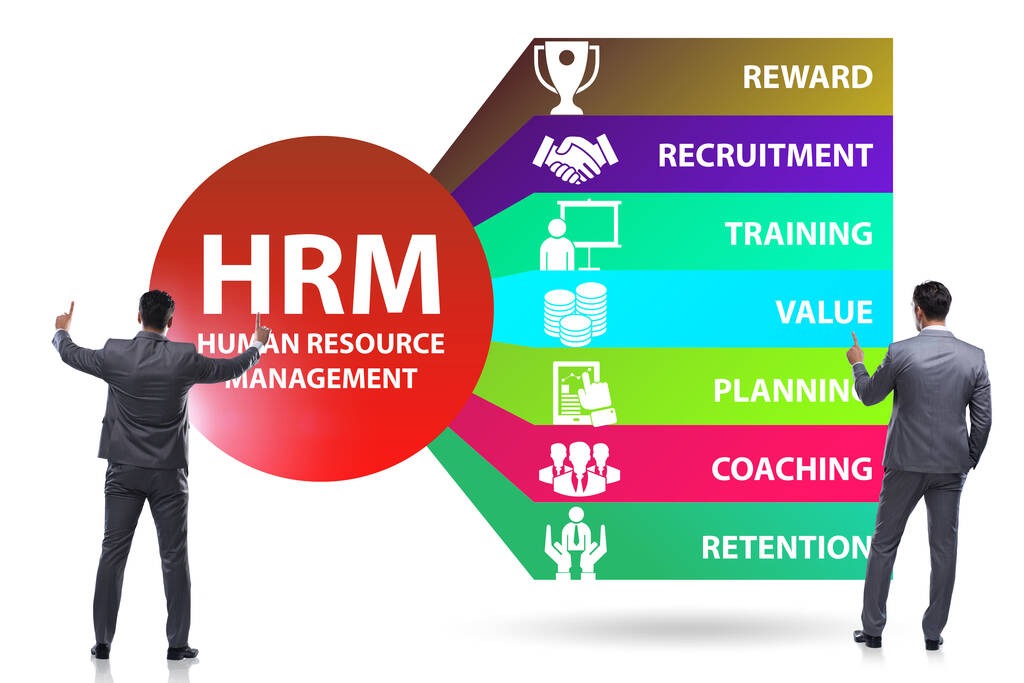
Human Resources plays a central part in creating a productive work environment. Beyond managing recruitment and payroll, HR is responsible for maintaining employee engagement, developing talent, and building a culture that aligns with company values. When HR operations run smoothly, employees remain motivated and the organisation functions more cohesively.
Technology has become a key factor in modern HR management. Software systems now handle repetitive and time-consuming tasks, giving HR professionals more time to focus on strategic planning and workforce development. These tools also promote better communication, allowing employees to access information quickly and accurately, which supports transparency and trust within the organisation.
Understanding HR Software Solutions
HR software refers to digital tools designed to simplify and automate the wide range of processes managed by the Human Resources department. These systems combine functions such as recruitment, onboarding, payroll, performance tracking, attendance monitoring, and employee self-service into one accessible platform.
By bringing all HR activities together, these solutions reduce paperwork, prevent data duplication, and improve accuracy. They also help create a smoother experience for employees, who can easily update personal details, view pay records, and manage leave requests without relying heavily on HR staff.
Organisations can choose from a variety of HR software options, from simple payroll management systems to comprehensive human capital management platforms. Each type is designed to suit different business sizes and requirements, offering flexibility for both growing companies and established enterprises.
How HR Software Improves Efficiency and Productivity
Using Data for Better Decision-Making
Modern HR platforms collect and analyse workforce data to identify trends and guide management decisions. With access to accurate insights, leaders can make informed choices about hiring, training, and employee retention strategies. This analytical approach supports stronger planning and helps prevent issues before they affect productivity.
Reducing Administrative Workload
Automation allows HR teams to handle routine activities quickly and accurately. Tasks such as tracking attendance, processing payroll, or managing employee records can be completed with minimal manual input. This reduction in administrative work gives HR professionals more time to focus on people-oriented initiatives and performance improvement.
Encouraging Employee Independence
Employee self-service features give staff more control over their information and work-related requests. By allowing individuals to manage their own data and access HR services directly, organisations promote a sense of responsibility and engagement. This independence strengthens trust between employees and management, improving overall morale and productivity.
Key Features of Modern HR Software
Automation of Routine Processes
Automation helps eliminate repetitive manual work, improving accuracy and saving time. When basic HR functions are automated, employees can concentrate on strategic and creative projects that contribute to business growth.
Time and Attendance Tracking
Accurate time-tracking systems record employee hours, manage shifts, and streamline payroll processing. This transparency supports fair compensation and provides valuable insights into workforce patterns that influence productivity.
Comprehensive Reporting and Insights
Advanced reporting tools within HR software help organisations review workforce performance and monitor progress over time. Access to clear data supports effective planning and helps identify opportunities for improvement.
Integration with Other Business Tools
Many HR platforms connect easily with accounting, project management, and communication systems. This integration creates a connected work environment where data flows efficiently between departments, reducing duplication and improving overall coordination.
Choosing the Right HR Software
Selecting the most suitable HR software depends on an organisation’s goals and structure. Factors such as scalability, ease of use, integration with existing tools, and data protection should be assessed carefully. It is also helpful to review user feedback, explore available features, and compare pricing options to find a solution that aligns with both operational needs and budget.
Investing in the right HR software strengthens workforce management, reduces administrative pressure, and supports long-term organisational growth.

Modernising HR for a More Productive Workplace
As workplaces evolve, HR departments must adapt to changing employee expectations, hybrid work arrangements, and new technologies. Modern HR software provides the foundation for this transition by improving accuracy, promoting transparency, and supporting continuous development across teams.
By adopting digital HR solutions, organisations move towards a more efficient, connected, and data-driven approach to managing people. These tools not only simplify daily tasks but also build a stronger link between technology and human potential.
Conclusion
Modern HR software has become an integral part of effective business management. By streamlining administrative functions, providing accurate data insights, and empowering employees, these systems contribute directly to improved efficiency and productivity. Whether for a small business or a large enterprise, HR software helps create an organised, transparent, and adaptable workplace where both people and performance can thrive.


